The Roof May not be Leaking yet – But the Damage May have already started
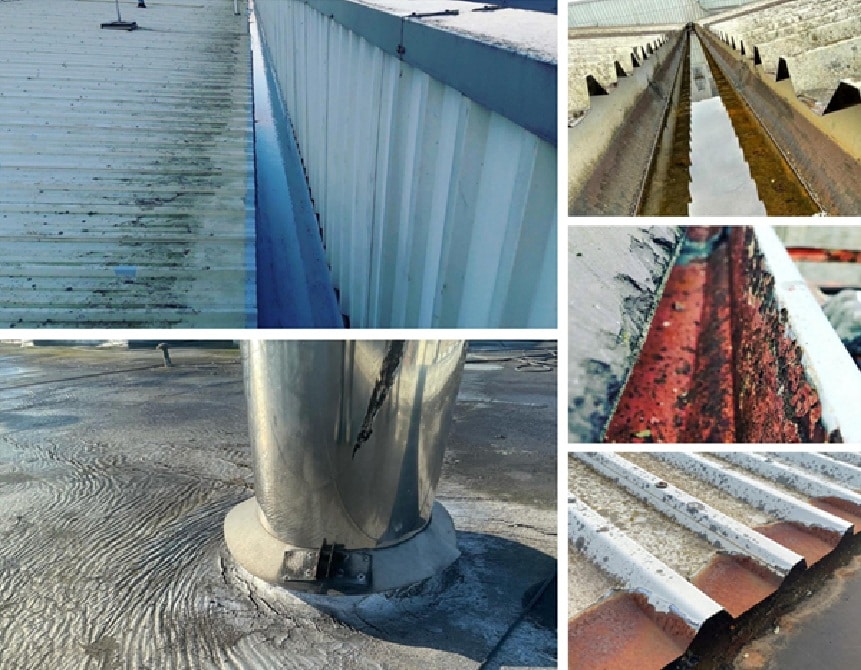
Flat roofs in Ireland are constantly exposed to harsh weather conditions, including heavy rainfall, standing water, and fluctuating temperatures. One of the most common problems found on felt roofing systems is ponding water combined with leaks around joints, seams, and weak points in the membrane.
What makes these issues particularly dangerous is that roof leaks are often not immediately visible. On large commercial or residential roofs, water can enter through a tiny crack, split seam, or failed joint and become trapped beneath the waterproofing layer. In many cases, the roof may not even show visible signs of leaking inside the building at first. However, the trapped moisture slowly begins to deteriorate the roofing membrane and weaken the substrate underneath over time.
Locating the exact source of a leak can be extremely difficult because water rarely travels straight down. Moisture can move horizontally beneath the roof covering and appear in completely different areas from where it originally entered. As a result, the visible leak inside a building is often not directly below the point where water penetrated the roof.
How Are Roof Leaks Identified?
There are generally two methods used to identify roof leaks:
1. Visual Inspection
The most common approach is a thorough visual inspection carried out by an experienced roofing contractor. Roofers will look for obvious signs of failure, such as:
- Cracked or damaged membranes
- Open seams and failed joints
- Blistering or lifting felt
- Ponding water
- Damaged flashings
- Signs of moisture ingress inside the building
While visual inspections can identify many roofing defects, they are not always effective when moisture is trapped beneath the waterproofing layer. In many cases, the roof may appear sound on the surface while hidden moisture continues to spread underneath.
2. Electronic Moisture Detection (Roof Leak Detection Equipment)
Modern technology has made leak detection significantly more accurate. Professional roofing contractors can use specialised moisture detection equipment, commonly known as a roof moisture meter or roof leak detector, to identify areas where water has become trapped beneath the roofing system.
These devices can detect moisture hidden within insulation, substrates, and roofing assemblies without the need for destructive testing. This allows contractors to map affected areas and gain a much clearer understanding of the extent of the problem before carrying out repairs.
One of the most recognised manufacturers of moisture detection equipment is Tramex, whose moisture meters are widely used throughout the roofing and building industries for non-destructive moisture testing.
It is important to note that not every roofing contractor currently uses this technology. While many professional roofing companies now have moisture detection equipment as part of their standard inspection process, others still rely solely on visual assessments. However, the technology is readily available and is becoming increasingly common, particularly on larger commercial roofing projects where hidden moisture can result in significant repair costs if left undetected.
By combining visual inspections with modern moisture detection technology, property owners can gain a more accurate diagnosis of roof conditions, helping to prevent unnecessary repairs and identify hidden problems before they develop into major failures.
Potential Repair Costs on a 100 sqm Roof
If trapped water and hidden leaks develop on a typical 100 sqm flat roof in Ireland, the repair costs can quickly become substantial depending on the severity of the damage:
• Leak detection and inspection: €500 – €2,000
• Localised repairs to felt and joints: €2,000 – €5,000
• Replacement of damaged insulation/substrate areas: €5,000 – €12,000
• Full roof strip and replacement (if water damage spreads extensively): €12,000 – €25,000+
• Supply and fit: 100 per sqm (€10,000+)
• Materials (Lava 20): 30 per sqm (€3,000+)
• Additional interior repairs (ceilings, plaster, electrics, mould treatment): €2,000 – €10,000+
In many cases, what initially appears to be a small leak can eventually result in tens of thousands of euros in repair costs if the underlying moisture problem is not fully resolved.
Why Prevention is Better Than Repair
These problems are not limited to ageing roofs or refurbishment projects. New-build developments can experience the same issues if water is allowed to penetrate beneath the roofing system.
This is why specifying a high-performance waterproofing solution from the outset is so important.
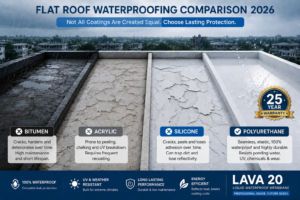
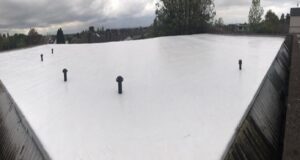
The Lava 20 Waterproofing System creates a fully bonded, seamless waterproof membrane with no vulnerable joints or seams where water can penetrate. By eliminating many of the weak points associated with traditional roofing systems, Lava 20 helps prevent water ingress, protects the substrate beneath, and significantly reduces the risk of hidden moisture damage.
Whether for new construction or roof refurbishment projects, investing in a robust waterproofing system from day one can help property owners avoid costly repairs, extend the lifespan of their roof, and provide long-term peace of mind.
Because when it comes to roofing, the most expensive damage is often the damage you can’t see.

OwlWaterproofing
Leave a Replay
About Us
Our mission is to provide the highest quality waterproofing systems for new builds and refurbishments at affordable prices backed up by expert personal service & 25 Year Warranty.